1. 2026 Turnkey Sizing Slabs (After Subsidy)
A turnkey installation includes modules, inverters, structure, cabling, and liasioning. Under the PM Surya Ghar Yojana, the net investment is drastically reduced:
| System Size | Gross Market Price | PM Surya Ghar Subsidy | Net Out-of-Pocket Cost |
|---|---|---|---|
| 1 kW System | ₹60,000 – ₹70,000 | ₹30,000 | ₹30,000 – ₹40,000 |
| 2 kW System | ₹1,15,000 – ₹1,30,000 | ₹60,000 | ₹55,000 – ₹70,000 |
| 3 kW System (Best Value) ⭐ | ₹1,75,000 – ₹1,95,000 | ₹78,000 | ₹97,000 – ₹1,17,000 |
| 4 kW System | ₹2,20,000 – ₹2,45,000 | ₹78,000 | ₹1,42,000 – ₹1,67,000 |
| 5 kW System | ₹2,65,000 – ₹2,90,000 | ₹78,000 | ₹1,87,000 – ₹2,12,000 |
| 8 kW System | ₹4,00,000 – ₹4,40,000 | ₹78,000 | ₹3,22,000 – ₹3,62,000 |
| 10 kW System | ₹4,80,000 – ₹5,30,000 | ₹78,000 | ₹4,02,000 – ₹4,52,000 |
2. Brand-wise Solar Panel Price Per Watt
Premium modules (Mono crystalline PERC, Bifacial & TOPCon) are sold at standard rates per peak Watt (Wp). Note: module prices do not include taxes or Bos accessories.
| Manufacturer / Brand | Panel Type | Est. Price (₹ / Watt) | Average 550W Module Cost |
|---|---|---|---|
| Tata Power Solar | Mono PERC (Half-cut) | ₹22 – ₹26 / W | ₹12,100 – ₹14,300 |
| Adani Solar | TOPCon (N-Type) | ₹21 – ₹25 / W | ₹11,550 – ₹13,750 |
| Waaree Energies | Bifacial / Mono PERC | ₹20 – ₹24 / W | ₹11,000 – ₹13,200 |
| Vikram Solar | Mono PERC (Half-cut) | ₹20 – ₹23 / W | ₹11,000 – ₹12,650 |
| Loom Solar | Bifacial (Shark Series) | ₹28 – ₹35 / W | ₹15,400 – ₹19,250 |
3. Solar Inverter Price Guide
Grid-tied String inverters are standardized for residential net metering. Hybrid/Off-grid models equipped with battery terminals cost significantly higher:
| Inverter Type | VA Sizing rating | Popular Brands | Est. Retail Cost |
|---|---|---|---|
| On-Grid String | 3 kW / 3 kVA | Solis, Growatt, Havells | ₹25,000 – ₹32,000 |
| On-Grid String | 5 kW / 5 kVA | Growatt, Solis, Sungrow | ₹35,000 – ₹45,000 |
| On-Grid String | 10 kW / 10 kVA | Fronius, Sungrow, Solis | ₹65,000 – ₹85,000 |
| Off-Grid (Sine Wave) | 1500 VA / 1.5 kVA | Luminous, Microtek, Exide | ₹8,000 – ₹12,000 |
| Hybrid (Solar charging) | 3 kVA (24V) | Luminous, Loom Solar | ₹38,000 – ₹48,000 |
| Hybrid (Solar charging) | 5 kVA (48V) | Loom Solar, Eastman | ₹60,000 – ₹78,000 |
4. Solar Battery (Tubular & Lithium) Price Guide
Lithium LFP batteries charge faster and support deep discharges but involve higher upfront capital than tubular lead-acid batteries:
| Battery Technology | Capacity (Ah) | Lifespan / Warranty | Est. Retail Cost |
|---|---|---|---|
| Tubular (Lead-Acid) | 100 Ah | 3–5 Years | ₹7,500 – ₹9,500 |
| Tubular (Lead-Acid) | 150 Ah | 3–5 Years | ₹11,000 – ₹14,500 |
| Tubular (Lead-Acid) | 200 Ah | 3–5 Years | ₹14,000 – ₹17,500 |
| Lithium LFP (LiFePO4) | 100 Ah (12.8V) | 10 Years / 3000 Cycles | ₹26,000 – ₹32,000 |
| Lithium LFP (LiFePO4) | 100 Ah (48V / 5kWh) | 10 Years / 3500 Cycles | ₹1,15,000 – ₹1,40,000 |
Guide to Sizing Solar Panel Prices & System Investment Slabs
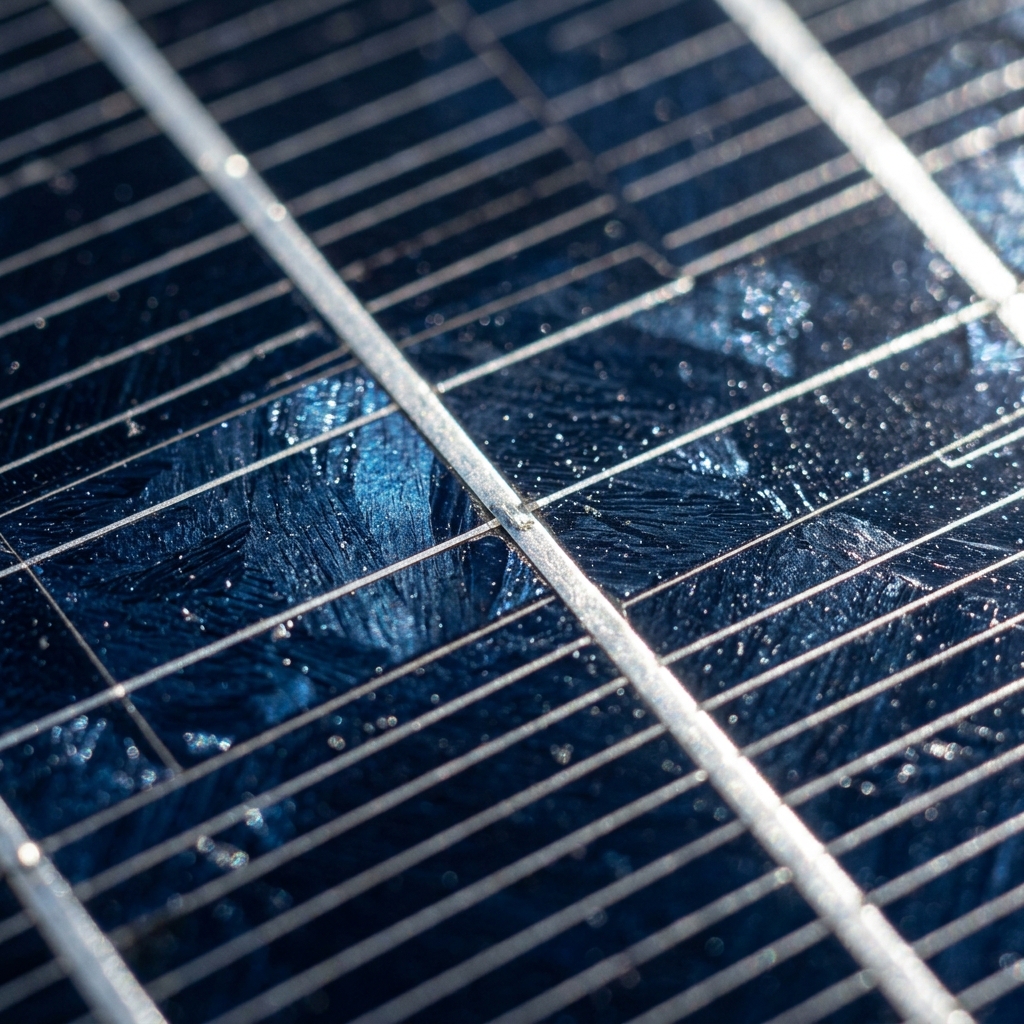
When planning to switch to clean energy, understanding the detailed pricing components of a solar project helps secure the best value. The overall cost of a solar rooftop system is divided into panel modules, grid-tie or off-grid inverters, structure materials, safety wiring, net-metering approvals, and labor costs.
1. Monoperc vs Bifacial & TOPCon Panel Pricing
Solar module technology directly influences the efficiency and overall cost of your system. Polycrystalline panels are the cheapest, but Mono PERC and TOPCon modules offer higher generation and perform much better under high summer temperatures in India. Bifacial panels, which generate power from both sides, are slightly more expensive but produce up to 20% more energy when installed on light-colored or reflective roofs.
2. Understanding Balance of System (BoS) Accessories Costs
Solar panels only account for 45% to 55% of the total project investment. The remaining cost is contributed by other vital components:
- Solar Inverters: String inverters are standardized for on-grid net-metering. Hybrid inverters (incorporating battery chargers) cost 2x more but protect against power cuts.
- Mounting Structures: Hot-dip galvanized iron (GI) structures protect panels from strong winds and last 25 years. Avoid cheap MS structures which rust quickly.
- Cabling & Protection: High-quality DC copper cables, ACDB/DCDB protection boxes, surge protection devices (SPDs), and dual copper earthing rods are critical for system safety.