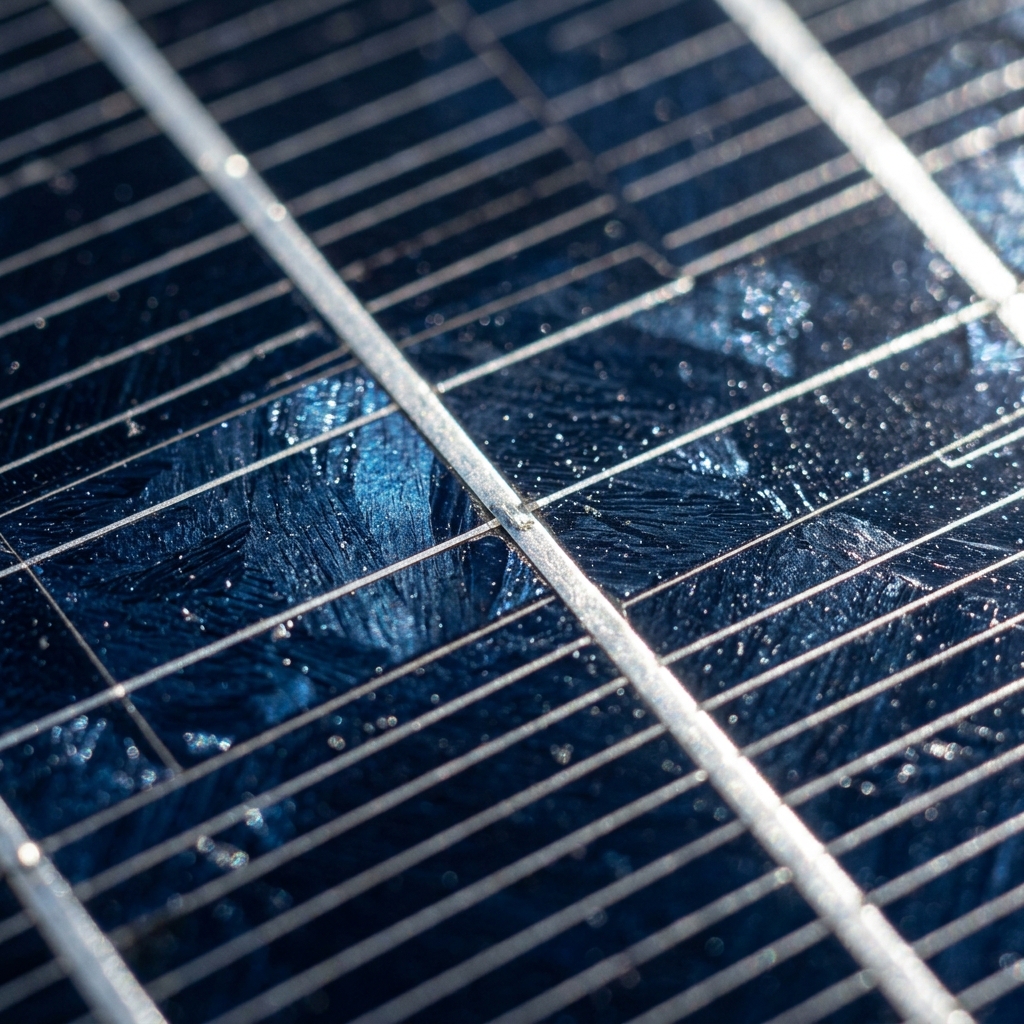
Solar Generation Sizing Guide: Estimating Daily & Monthly kWh Output
Understanding how much solar power your rooftop panels can generate is crucial to sizing the system capacity according to your monthly consumption units. Solar generation is dependent on peak sunlight availability, local solar irradiance, dust layers, and wiring system efficiencies.
1. The Basic Generation Sizer Formula
Solar panel electricity output is calculated in Kilowatt-Hours (kWh), commonly known as utility billing "units". The basic formula for solar units calculation is:
Daily Solar Units (kWh) = System Size (kW) × Peak Sun Hours × Overall Efficiency Factor (usually ~0.80)
For example, a 3 kW solar array in India (receiving an average of 4.5 Peak Sun Hours daily) will produce: 3 × 4.5 × 0.80 = 10.8 units per day (approximately 324 units per month).
2. Environmental & Sizing Factors Impacting Output
- Peak Sun Hours (PSH): Irradiance varies across India. Southern and western states (Rajasthan, Gujarat, Maharashtra) receive 4.8 to 5.2 PSH, while hilly regions receive 3.8 to 4.2 PSH.
- Rooftop Tilt & Orientation: Solar panels in India must face **South** to capture maximum sun exposure. The ideal tilt angle matches your local latitude (typically 15° to 25°).
- Soiling Loss: Dust layers blocking sunlight can reduce daily units output by 10% to 25%. Cleaning panels weekly with water restores maximum efficiency.
3. Shading Mitigation & String Configuration
Shading is the enemy of solar generation. Even minor shadows from a chimney or tree onto a single panel can restrict the output of an entire series string. Using smart bypass diodes or installing microinverters/DC optimizers helps isolate shaded panels, protecting output rates.
Frequently Asked Questions
Yes, solar panels still generate power on overcast days using diffuse sunlight, but their generation drops to 10% to 25% of their peak capability. High-efficiency Mono PERC and Bifacial modules perform better in low light conditions than older polycrystalline models.
A 1 kW solar setup using modern high-efficiency monocrystalline panels requires approximately 80 to 100 square feet of shadow-free rooftop space. Polycrystalline panels require slightly more area (110-120 sq. ft) because they have lower efficiency.
A 5 kW solar system will generate an average of 20 to 22 units daily, which translates to approximately 600 to 660 units of clean electricity per month over the year.
Solar panels carry performance warranties guaranteeing at least 80% output even after 25 years. The system continues to generate electricity beyond 25 years, albeit at a slightly degraded rate (approx 0.5% degradation per year).