☀️ PM Surya Ghar Yojana 2026: Up to ₹78,000 Central Subsidy is Now Available!

Home › Battery Backup Sizer

Solar Battery Backup Calculator

Size your battery energy storage capacity in Ah for backup operations during power outages.

🔋 Battery Parameters

🔋

Size Your Battery Storage

Provide your target continuous running wattage and desired backup hours on the left to see recommended Ah capacity metrics.
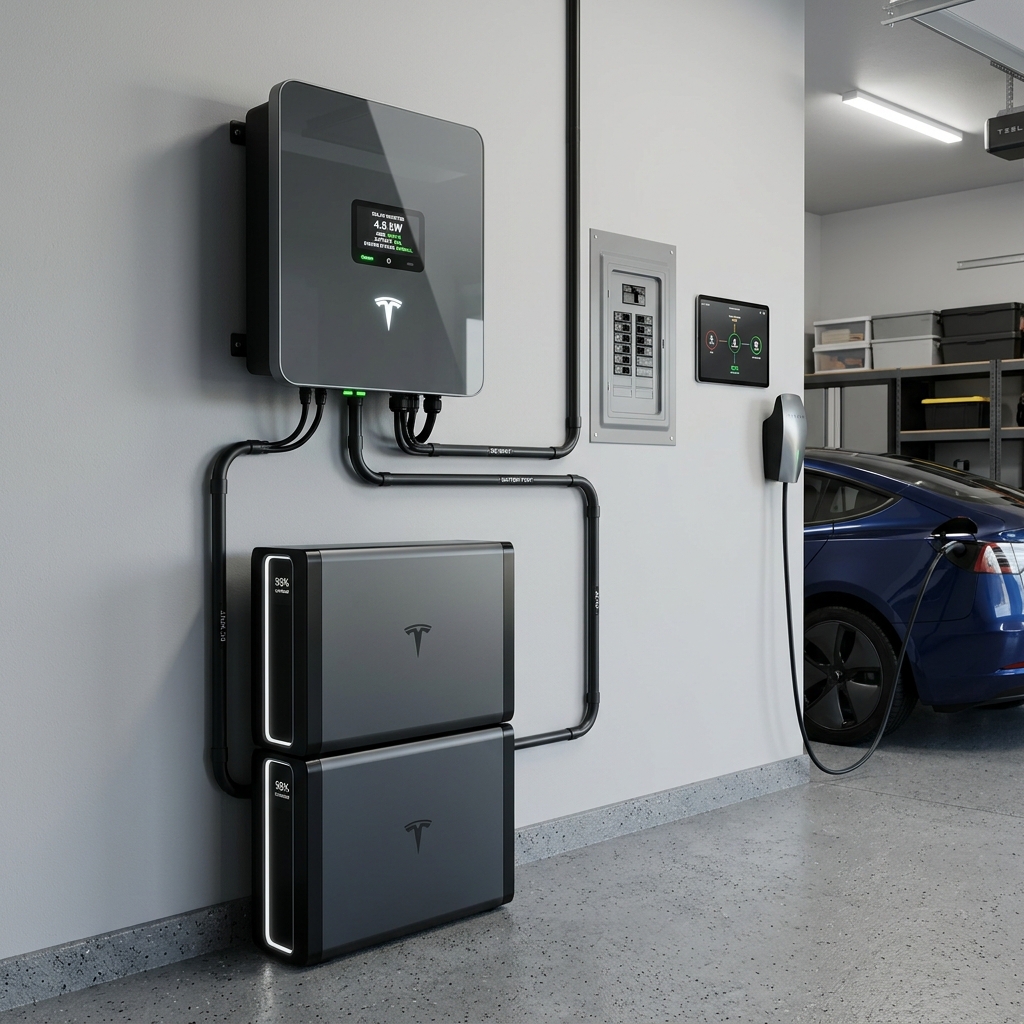
Solar Battery Sizing & Backup Time Sizing Guide

Battery backup duration and tubular cells battery bank storage

Sizing a solar battery backup bank accurately ensures you have sufficient energy stored to power essential home appliances during night cycles or local power cuts. Solar batteries require balancing depth of discharge, chemistry types, and charge cycles to maximize system lifespan.

1. How to Calculate Battery Backup Time

The backup runtime of a battery is calculated by dividing total battery storage capacity in Watt-hours (voltage × Ah) by the continuous running load in Watts, accounting for the power factor and battery efficiency:

Backup Time (Hours) = (Battery Capacity Ah × Battery Voltage × Depth of Discharge × Efficiency) ÷ Load Watts

For example, running a 150W load on a 12V 150Ah lead-acid battery with a 50% safe DoD limit and 85% efficiency: (150 × 12 × 0.50 × 0.85) ÷ 150 = 5.1 Hours of continuous backup.

2. Battery Chemistries: Lead-Acid vs Lithium-ion

Choosing the right battery chemistry impacts both upfront setup costs and long-term lifespan:

3. Maintenance Tips for Solar Batteries

To ensure your solar battery bank reaches its maximum rated lifespan, implement a clean maintenance schedule. Clean terminals to prevent corrosion and oxidation, check electrolyte levels on flooded batteries regularly, and keep battery systems in a well-ventilated location to prevent thermal degradation.

Frequently Asked Questions

What does C10 and C20 ratings mean in batteries?
C-rating indicates the time a battery takes to discharge. A C10 rating means the battery can deliver its full capacity when discharged over 10 hours, which is the standard for solar use. A C20 rating is designed for slower 20-hour discharges (common in regular home backup systems).
How often do I need to top up distilled water in solar batteries?
For standard flooded lead-acid batteries, check the water indicators every 3 to 6 months. Only top up with pure distilled water, never tap water or acid, as impurities will permanently ruin the plates.
Can I mix lithium and lead-acid batteries in the same bank?
No, you must never mix batteries of different chemistries, brands, capacities, or age. Their charging profiles, internal resistances, and voltage limits are completely different, which would lead to battery failure or fire hazards.
Is depth of discharge (DoD) important for battery life?
Yes. Discharging a lead-acid battery completely (100% DoD) will permanently damage it, shortening its lifespan to under a year. Always configure your low-voltage disconnect to cut power at 50% discharge.